
Brush removal, tree clearing, stump removal, and forestry mulching across the Greater Houston area. Free on-site estimate, quoted in writing before we start.
Land Clearing in Houston, TX
Brush removal, tree clearing, stump removal, and forestry mulching across the Greater Houston area. Free on-site estimate, quoted in writing before we start.
- 33 years in businessSoutheast Texas since the start
- 1,000's of projectsResidential and commercial
- Fully insuredCertificate available on request
- Free on-site estimatesPriced from your actual property
- 11 counties servedHarris · Montgomery · Waller · Washington · Fort Bend and beyond
What land clearing actually involves
Land clearing is the removal of brush, trees, and stumps. We do all three. They are priced differently, though: brush and small trees up to 5 inches across are what the per-acre rates further down this page buy, while removing mature trees and excavating stumps are quoted on their own. On residential property the goal is usually open, usable land that still keeps the foliage and trees worth keeping — every residential job gets planned around what you want left standing. If the trees are already down and the stumps are the whole job, see the stump grinding and removal service for the difference between grinding below grade and taking the root ball out.
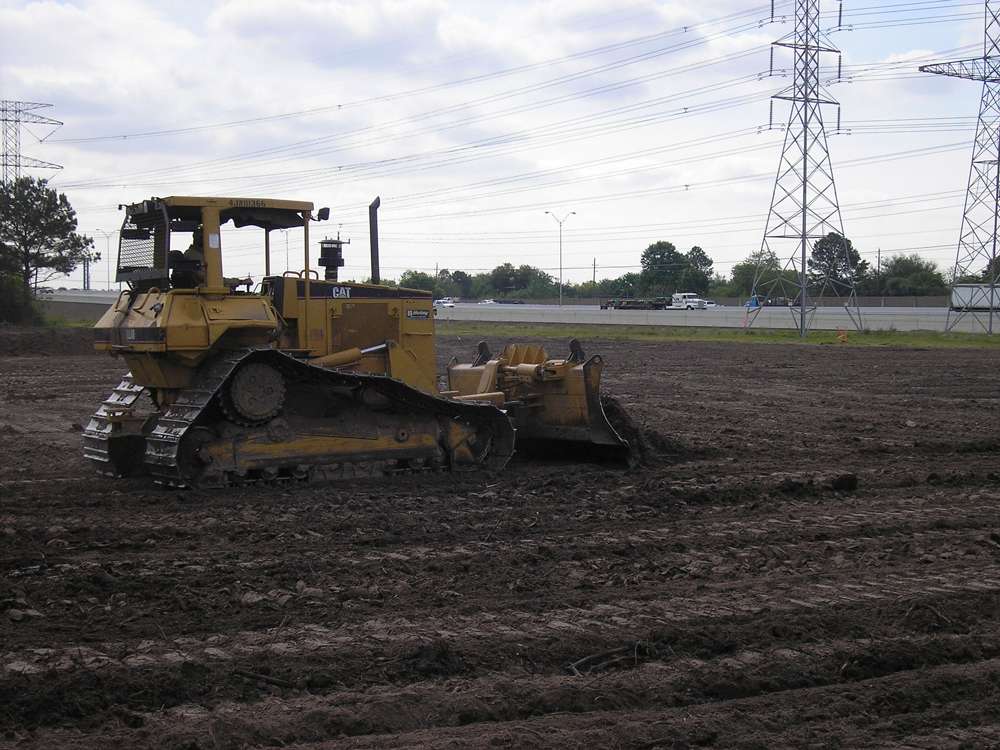
Commercial clearing works the other way. Very few trees stay, usually just along property lines. Trees come out with the stumps intact, merchantable timber is separated and sold, debris is raked and piled, and the property is bladed to a smooth surface ready for construction.
Mulching or a bulldozer? It depends what you want left
A bulldozer does not make trees disappear. It makes a pile. That is the part most people do not price in, and it is the reason two quotes for the same acre can be thousands of dollars apart. Knocking the timber over, raking it, and stacking it is one job. Making the stack go away is a second one. A dozer is a mess-making machine before it is a clearing machine, and the mess has to go somewhere.
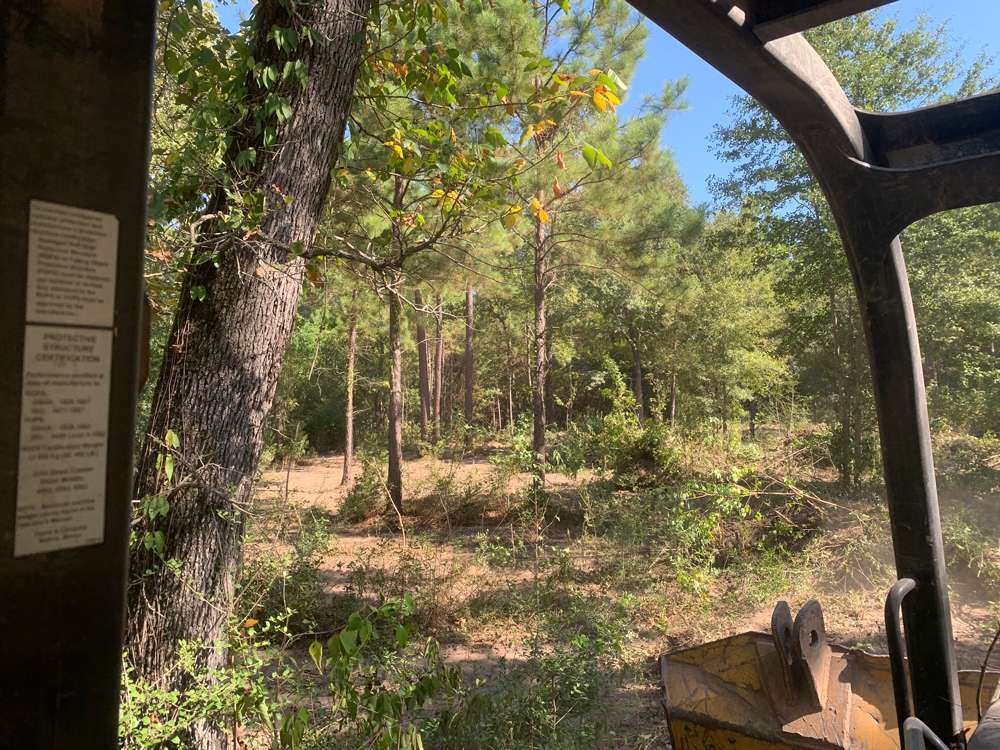
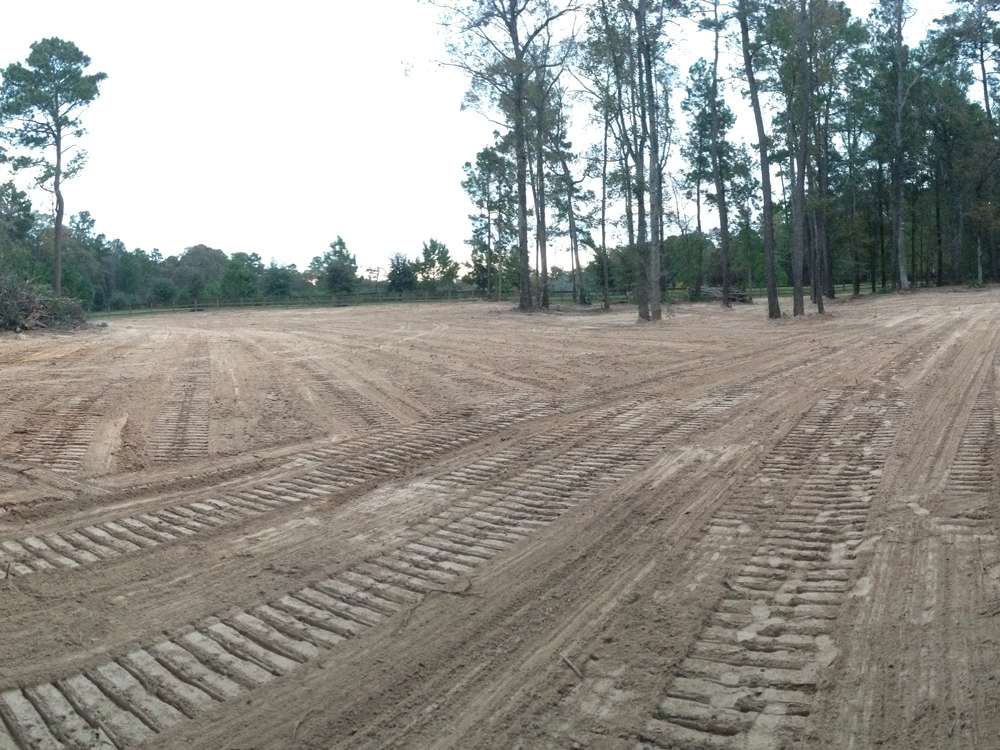
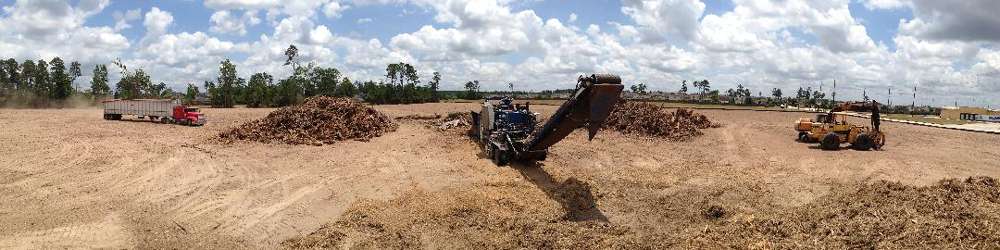
A forestry mulcher works the opposite way. It grinds standing brush and small trees where they stand and leaves the material on the ground as mulch. One machine, one pass, nothing to stack, nothing to burn, nothing to truck off. That is why mulching is the cheapest thing we do — not because it is a lesser job, but because it never creates the pile in the first place. The mulch also holds soil in place through the first hard rain, which bare, bladed dirt does not.
How to tell which one your property needs
It comes down to the roots. A mulcher takes the growth off at the ground; it does not pull stumps or root balls. If you are opening pasture, knocking brush back off a fence line, taking a property back from yaupon and privet, or clearing to see and use your land, mulching is usually the right call and the cheaper one. If you are putting a house pad, a barn, a road, or a pond where the trees are, the roots have to come out — that is dozer work, and the pile comes with it.
The honest way to compare the two is not mulcher against dozer. It is mulching against dozer clearing plus whatever you decide to do with what it leaves behind — and that second decision is the next section, because on a single acre it can cost more than the clearing did.
We will tell you which one your property needs when we walk it, including when the answer is the cheaper one. The estimate says in writing which method it assumes and where the debris ends up, so you are not finding out on the day the trucks show up. If mulching is what your property wants, the forestry mulching page covers the method, the per-acre bands, and where it is the wrong tool.
What happens to everything that comes down
Every job that knocks trees over has to answer one more question: where does the material go? It is not a detail at the end. It is the single biggest lever on the price of a cleared acre — bigger than the acreage — and it is the thing two quotes for the same property most often disagree about without saying so. There are four answers, and your estimate will name the one it assumes.
Pile it on site
Rake and gather the debris and pile it somewhere on the property to break down on its own. The cheapest answer, and a good one on acreage with somewhere out of the way to put it.
Included in the dozer clearing priceHide it in the woods
Rake and gather the debris and push it back into the treeline that is staying. Out of sight from the part of the property you actually use, and nothing leaves.
Included in the dozer clearing priceGrind it into mulch on site
Grind the smaller debris down into mulch and leave it, then haul off the stumps and the larger material. A middle option: most of the volume disappears without paying to truck all of it away.
Adds roughly $1,750 – $2,400 an acreLoad it up and haul it off
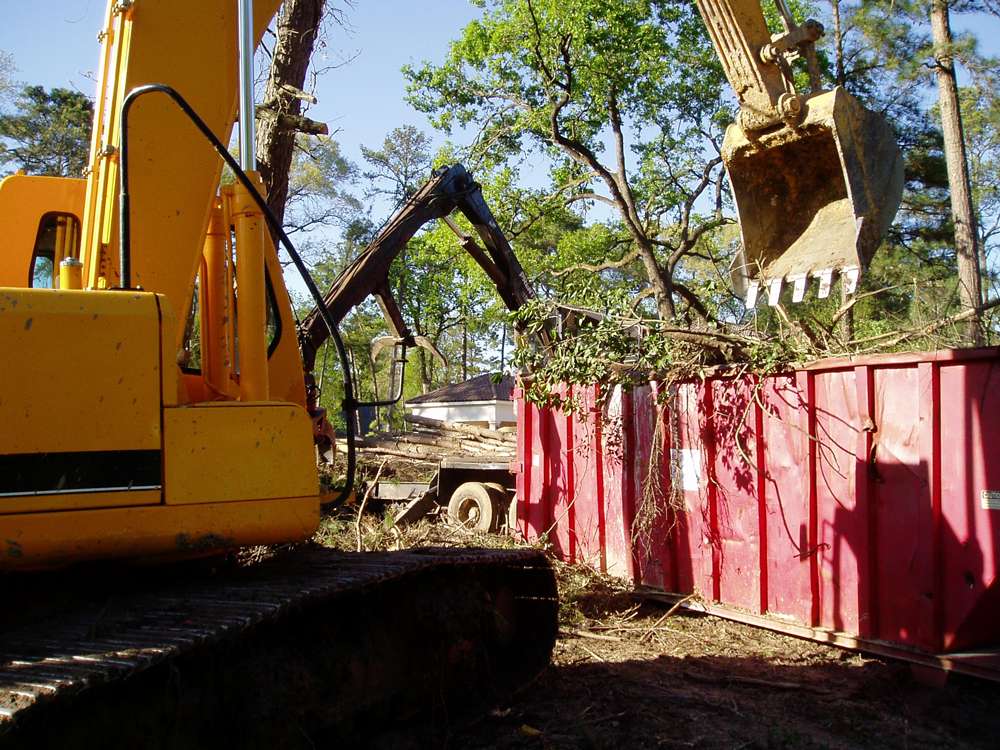
Rake and gather the debris, load it onto trucks, and take it off the property entirely. Nothing left behind — and on a single acre this can cost more than the clearing did.
Adds roughly $3,750 – $5,200 an acre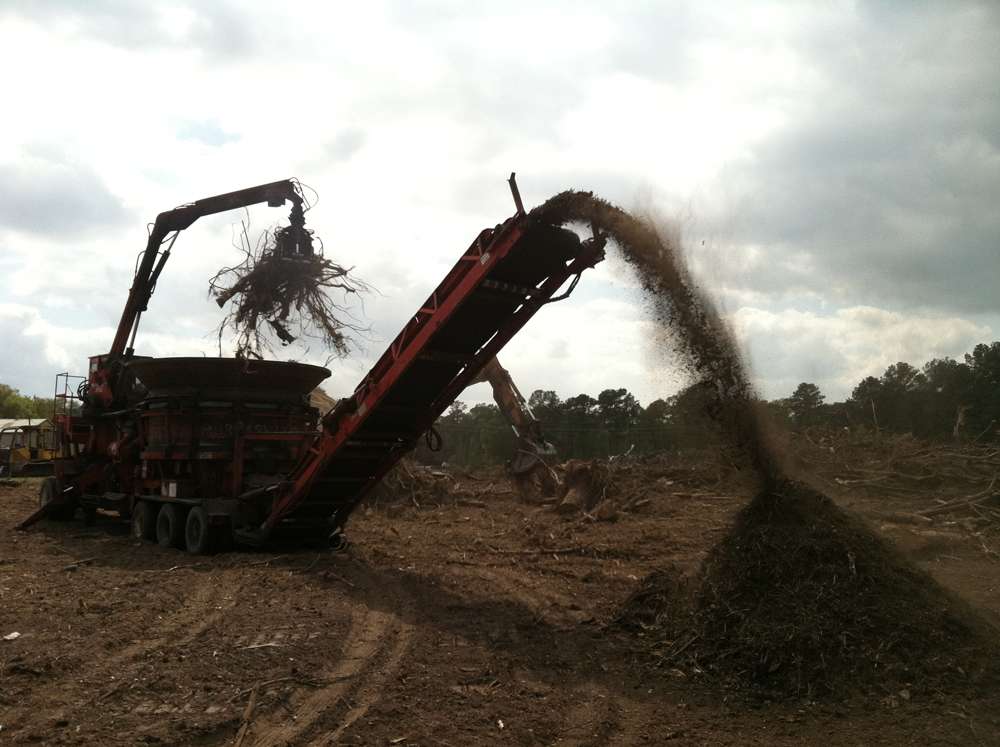
Burning, and what we do not do
Burning is sometimes the cheapest way to deal with a pile, and where the county allows it we will rake and stack the debris into burn piles for you. The burning itself is not ours: the permits, the approval, the watching, and whatever is left afterwards stay with the property owner. Burn rules change by county and by season around Houston, so it is worth checking before you plan around it. If that is not practical, one of the four above is the answer instead.
How much does land clearing cost per acre for brush and small trees?
Clearing brush and small trees up to 5 inches across runs $2,700 to $11,000 per acre in Southeast Texas, and what decides it is the method and the debris — not the acreage. Forestry mulching is the cheapest thing we do because nothing leaves the property. Dozer clearing costs more, and then what you do with the pile it leaves can cost more again than the clearing did. Below are our four ways to clear an acre and what each one actually costs, followed by the six things that decide where inside a range your property lands. Heavily wooded property is a different job. We clear mature timber every week — big pines and hardwoods just make far more debris and take far longer to put on the ground, so those jobs are quoted after a site visit instead of off this table. Pulling stumps out with an excavator and backfilling the holes is quoted separately too.
What the price covers
- Mow over and grind brush, vegetation, and small trees up to 5 inches across
- Mulch left scattered where it falls
- Stumps and root systems stay in the ground
Nothing is stacked, burned, or hauled, which is exactly why it is the cheapest thing we do. The trade is regrowth: with the roots still in the ground, brush often comes back.
What the price covers
- The same mulching pass
- A second pass with the DD Crusher to grind the material down finer
- Everything stays on the property
The DD Crusher is a smaller mulching head that works the ground over again. You end up with a covered, mulched surface rather than stripped dirt — a better finish than a single pass, still without a pile to deal with.
What the price covers
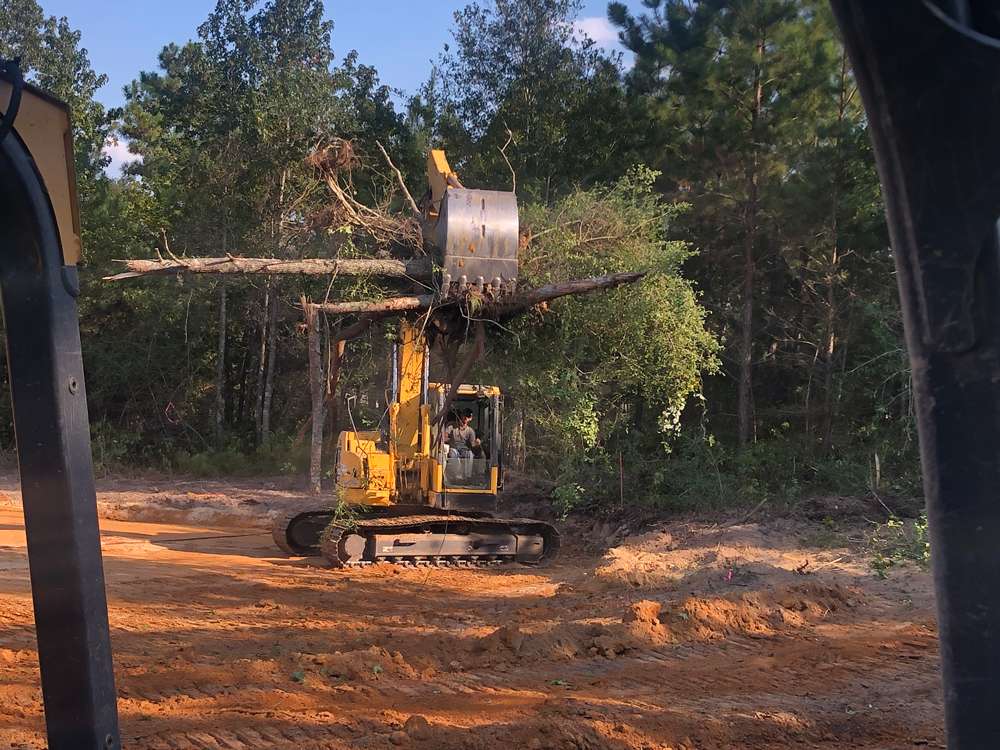
- Knock over and uproot brush and small trees up to 5 inches across, stumps included
- Rake and stack the debris
- Blade the area off to make it look good
- The pile stays on your property
This is the true cost of dozer clearing before anyone decides what happens to the pile. Roots come out with the trees, so what you clear does not grow back — but you still own the stack it leaves at the edge of the work area.
What the price covers
- All of the dozer clearing work above, same size range
- Rake and gather the debris
- Load it onto trucks and haul it off site
- Nothing left behind for you to deal with
The most expensive thing we do, and the reason is trucking rather than clearing. Grinding the pile into one spot on site instead sits between the two — $6,000 to $8,200 an acre — and leaves the material with you.
A one-acre job pays the top of each range; the rate falls as acreage rises until five acres, then holds.
What moves the price
- How thick the growth is
- Open pasture with scattered brush is a different job from mixed hardwood forest. Trunk diameter matters more than tree count — a few mature oaks can outweigh an acre of undergrowth.
- What happens to the debris
- Mulching it back into the soil on site is the cheapest outcome. Burning, chipping, or hauling to a landfill each add cost, and disposal fees scale with volume.
- Whether stumps come out
- Cutting to grade costs less than full stump extraction. If you are building on it, the stumps have to go; if you are opening a pasture, often they do not.
- Access and what has to survive
- Tight lots, soft ground, overhead lines, fence lines to preserve, and specimen trees to work around all slow the machines down. Small lots price as a flat package rather than by the acre.
- Total size
- Cost per acre falls as acreage rises, because mobilizing equipment costs the same whether the tract is one acre or five, so that fixed cost spreads further on bigger jobs. It stops falling at five acres — past that the per-acre rate holds, so twenty acres is priced at the same rate as five.
- What you want left behind
- Rough-cleared and ready for a fence is not the same as raked, bladed, graded, and seeded. The finish level is often the single biggest swing in a quote.
These are our real rates, not estimates. These prices cover brush and small trees up to 5 inches across. Larger trees, and pulling stumps out with an excavator and backfilling the holes, are quoted separately after we walk the property. Where a property lands inside a range is what the site visit settles — tell us the acreage and what is growing on it and we will put a firm number in writing, at no charge.
Get my free estimateResidential land clearing
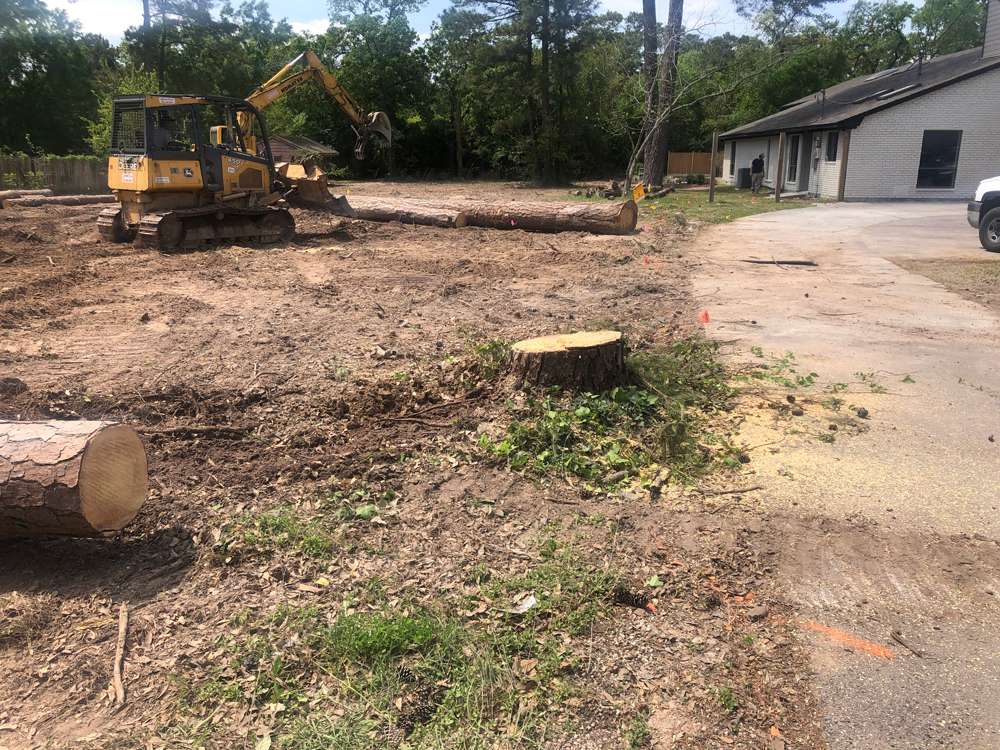
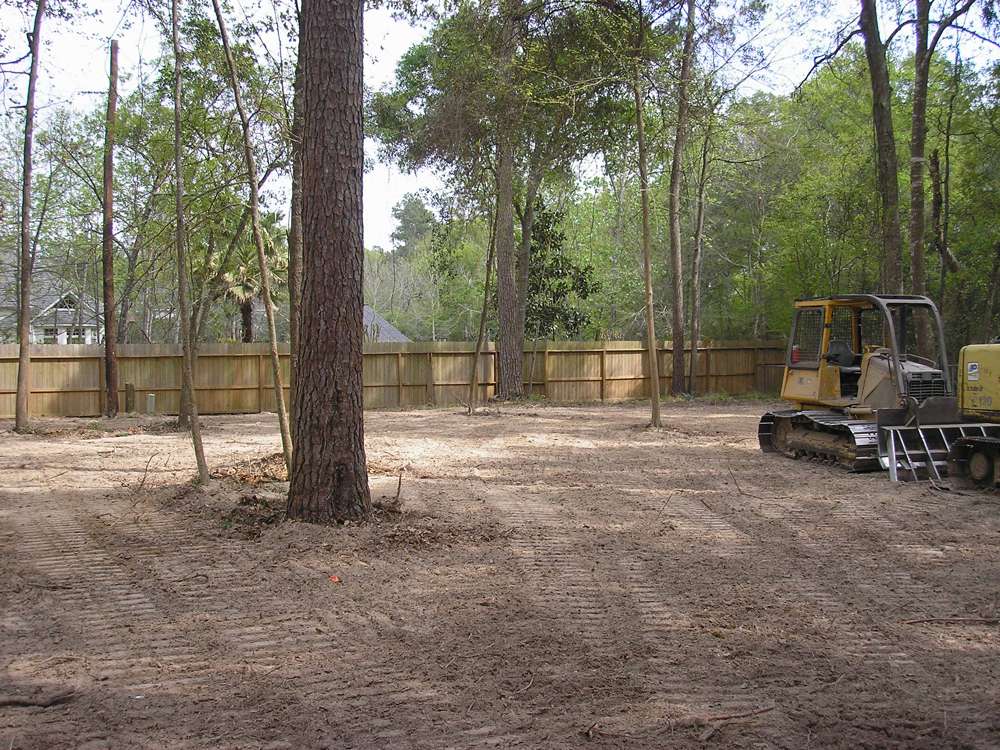
Clearing for residential development is the most sensitive work we do and a large part of the business. Difficulty varies with terrain, access, and the finish you want, so every clearing and grubbing project gets scoped to the property rather than run off a price list.
What's included
Commercial land clearing
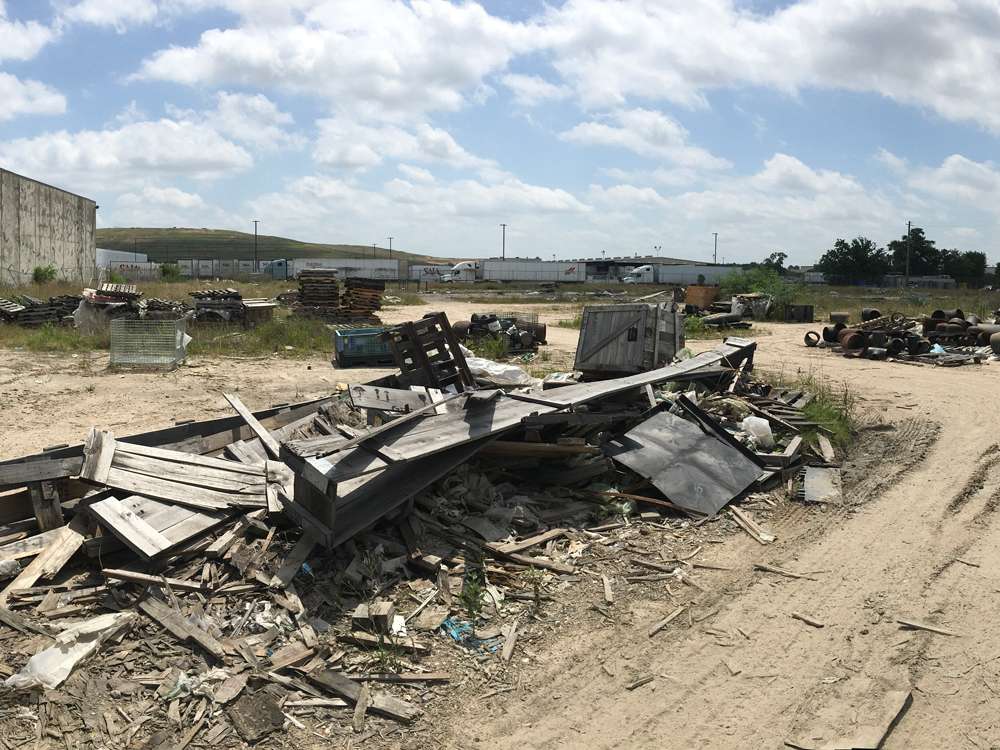
Commercial sites need bigger equipment and more site preparation — small retail lots through multi-acre industrial developments. Scope covers complete vegetation removal, root raking, debris disposal, and rough grading, coordinated with your developers, engineers, and general contractor so the site meets spec when we hand it over.
- Complete vegetation removal and root raking
- Debris disposal and timber merchandising
- Rough grading to a smooth, buildable surface
- Scheduling coordinated to your construction timeline
Equipment we run, and when
The machine decides the price and the finish. Matching it to the growth is most of the job.
| Equipment | Best for | Why |
|---|---|---|
| Bulldozer | Large trees, heavy brush | Excellent for dense forest |
| Excavator | Precision work, stump removal | Best for selective clearing |
| Forestry Mulcher (hydro ax) | Brush and small trees | Superior for undergrowth |
| Skid Steer | Small areas, debris cleanup | Versatile for tight spaces |
Common questions about land clearing
Between $2,700 and $11,000 per acre for brush and small trees up to 5 inches across, and which end you land on is decided mostly by two things: whether we mulch or dozer, and what happens to the debris. Forestry mulching runs $2,700 to $3,500 per acre because the brush is ground where it stands and nothing leaves the property. Dozer clearing with the debris raked, stacked, and bladed off runs $4,250 to $5,800. Grinding that debris into one spot on site runs $6,000 to $8,200, and trucking it off the property runs $8,000 to $11,000 — on a single acre, hauling off costs about $5,200 an acre more than blading off, which is a bigger swing than acreage causes. Cost per acre also falls as the job gets bigger: a one-acre job pays the top of each range and a five-acre job pays roughly 22% to 27% less per acre depending on the method — and five acres is where the discount stops, so bigger jobs do not go lower. Heavily wooded property is quoted separately and costs considerably more, because mature pines and hardwoods make far more debris and take far longer to put on the ground — we clear that too, it just does not come off a table. Pulling stumps with an excavator and backfilling the holes is its own line as well. We walk the property and put a firm number in writing at no charge.
Land clearing locations we serve
Land clearing throughout the Greater Houston area. Not listed? Call us — we likely still cover you.
Houston
Harris County
Conroe
Montgomery County
Katy
Harris/Fort Bend County
Brenham
Washington County
Magnolia
Montgomery County
Tomball
Harris County
Waller
Waller County
The Woodlands
Montgomery County
Spring
Harris County
Cypress
Harris County
Pearland
Brazoria County
Sugar Land
Fort Bend County
League City
Galveston County
Huntsville
Walker County
Sealy
Austin County
Columbus
Colorado County
Anahuac
Chambers County
Lake Jackson
Brazoria County
Montgomery
Montgomery County
Humble
Harris County
Fulshear
Fort Bend County
Before work starts
Burning cleared brush is regulated statewide and is further restricted by county burn bans that change with drought conditions, so the debris plan has to be settled before the work starts, not after. You can read the current rules straight from TCEQ outdoor burning rules, and we confirm what applies to your property during the site visit rather than guessing at it from an address.
If you are weighing us against another contractor, the work our customers describe is a better read on what we are like to deal with than anything we could write here.
Worth reading before you hire
Guides on this work
What it costs, how it is done, and what to ask before hiring.
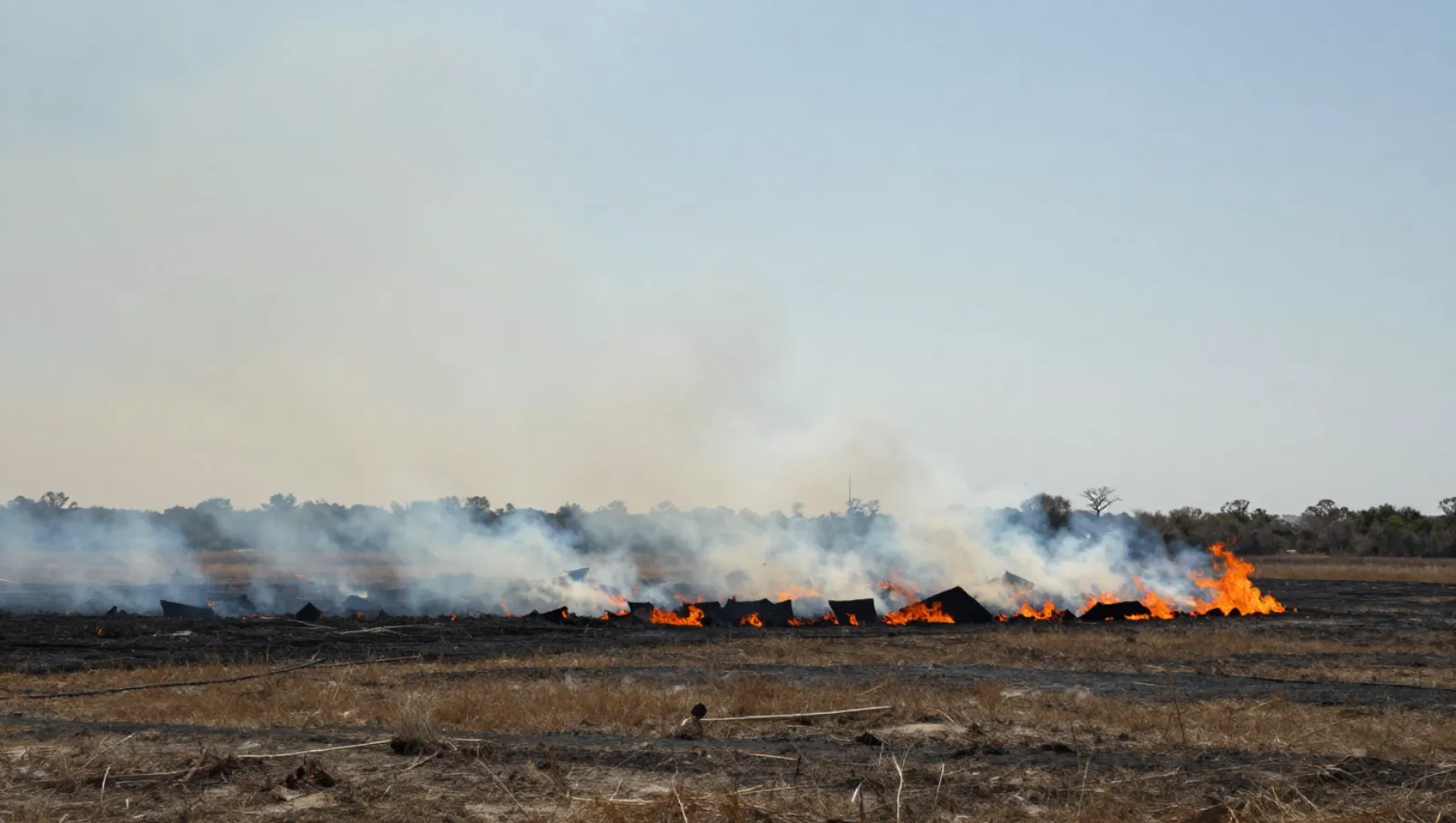
A Guide to Ground Clearing Techniques That Work | Daniel Dean
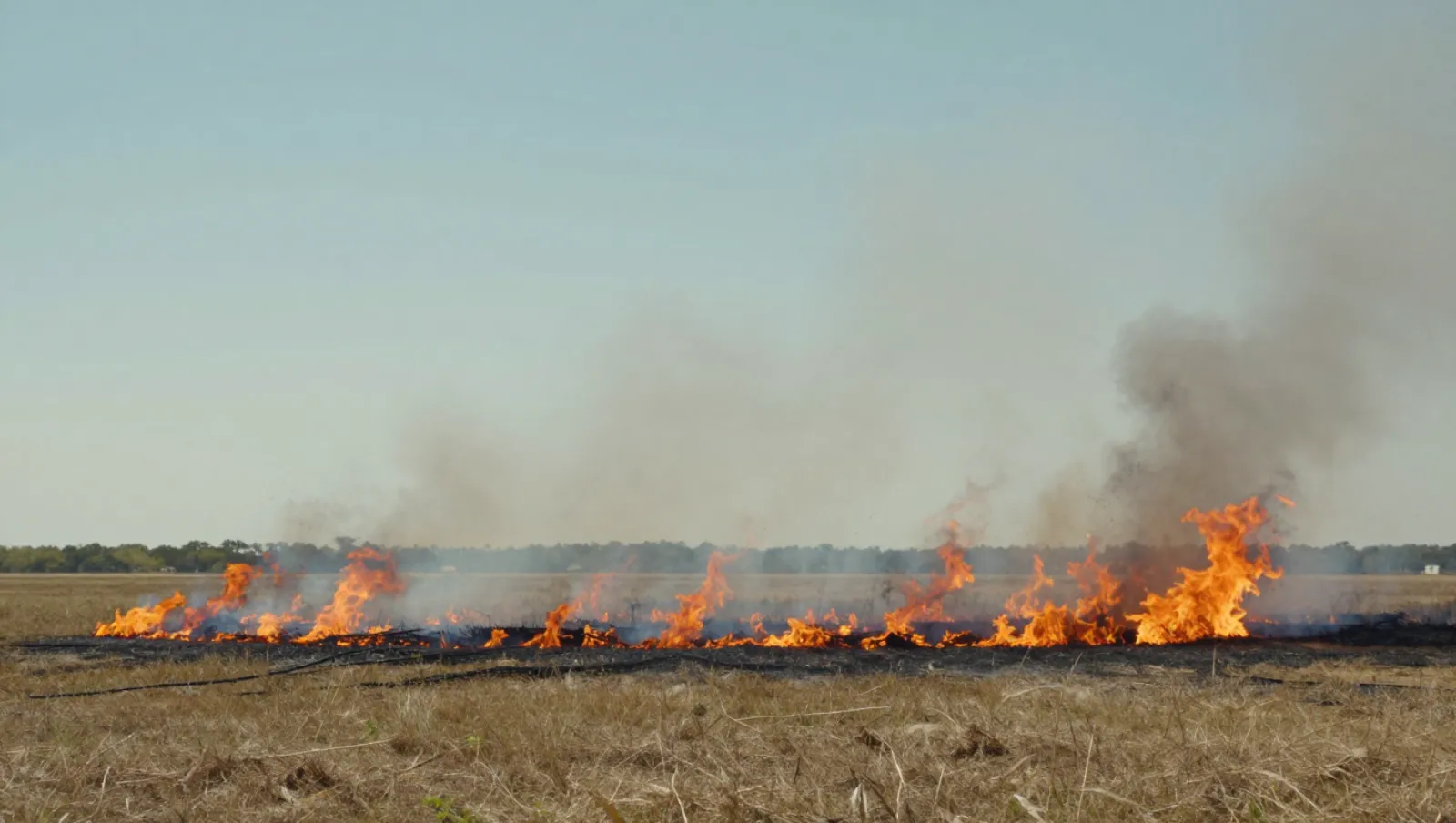
Brush Clearing for Texas Landowners Before Site Work Begins
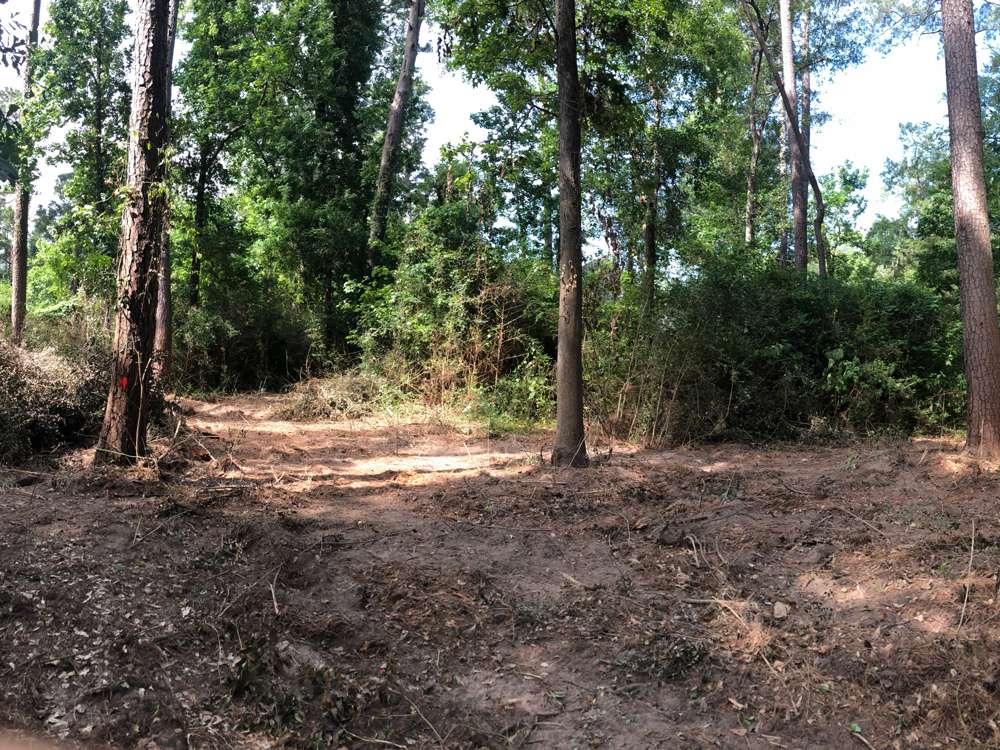
Brush Clearing Tools vs Professional Land Clearing: A Quick Look
Brush Removal Prices: Cost Factors That Impact Your Quote
Brush Tree Removal and Wildfire Risk Reduction in Texas
Clear Land Cost vs. DIY Land Clearing: Which Saves More Money
Do It Yourself Land Clearing: Why It's Best Left to Experts
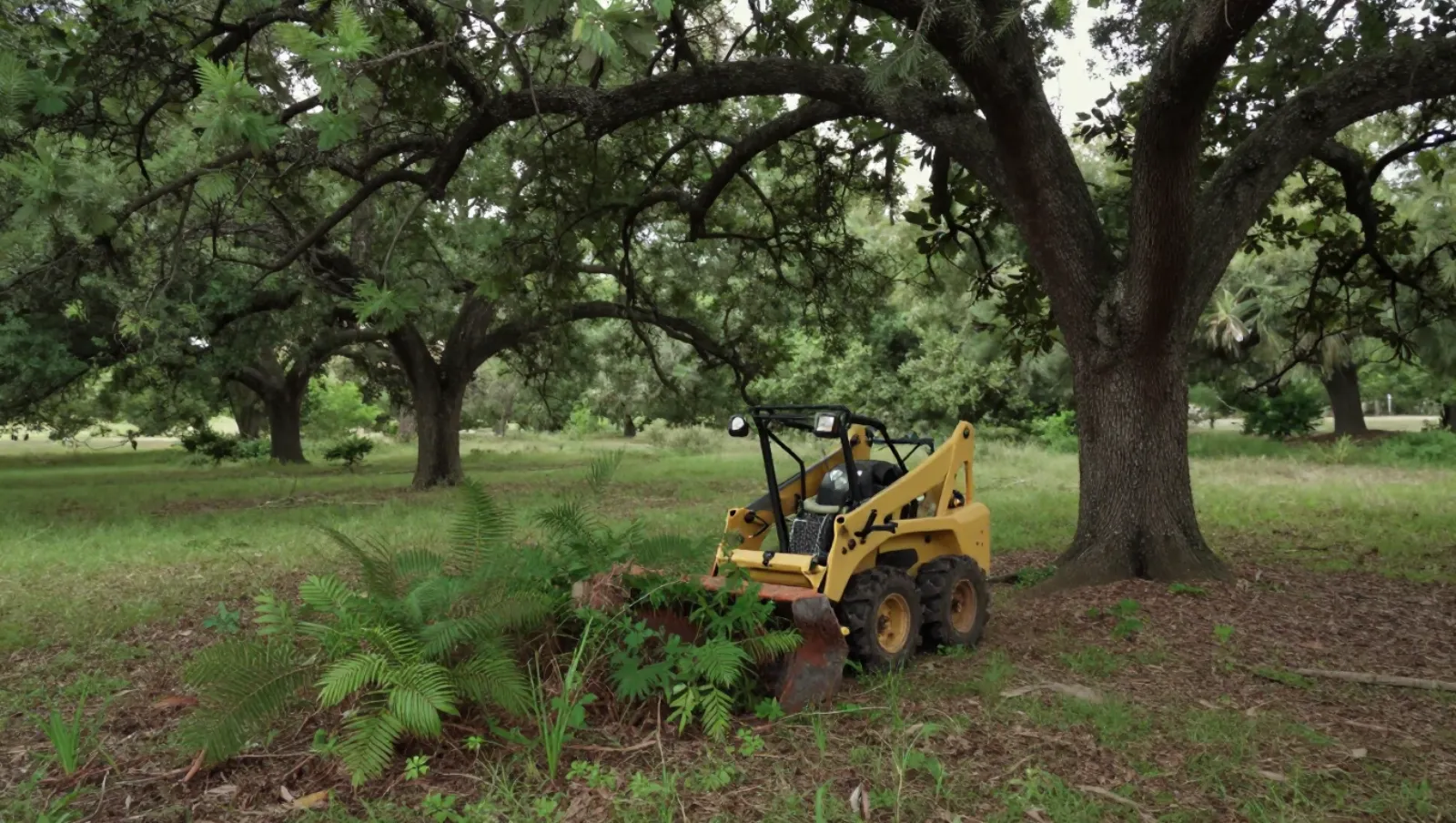
Guide on How to Clear Brush Without Damaging Nearby Plants
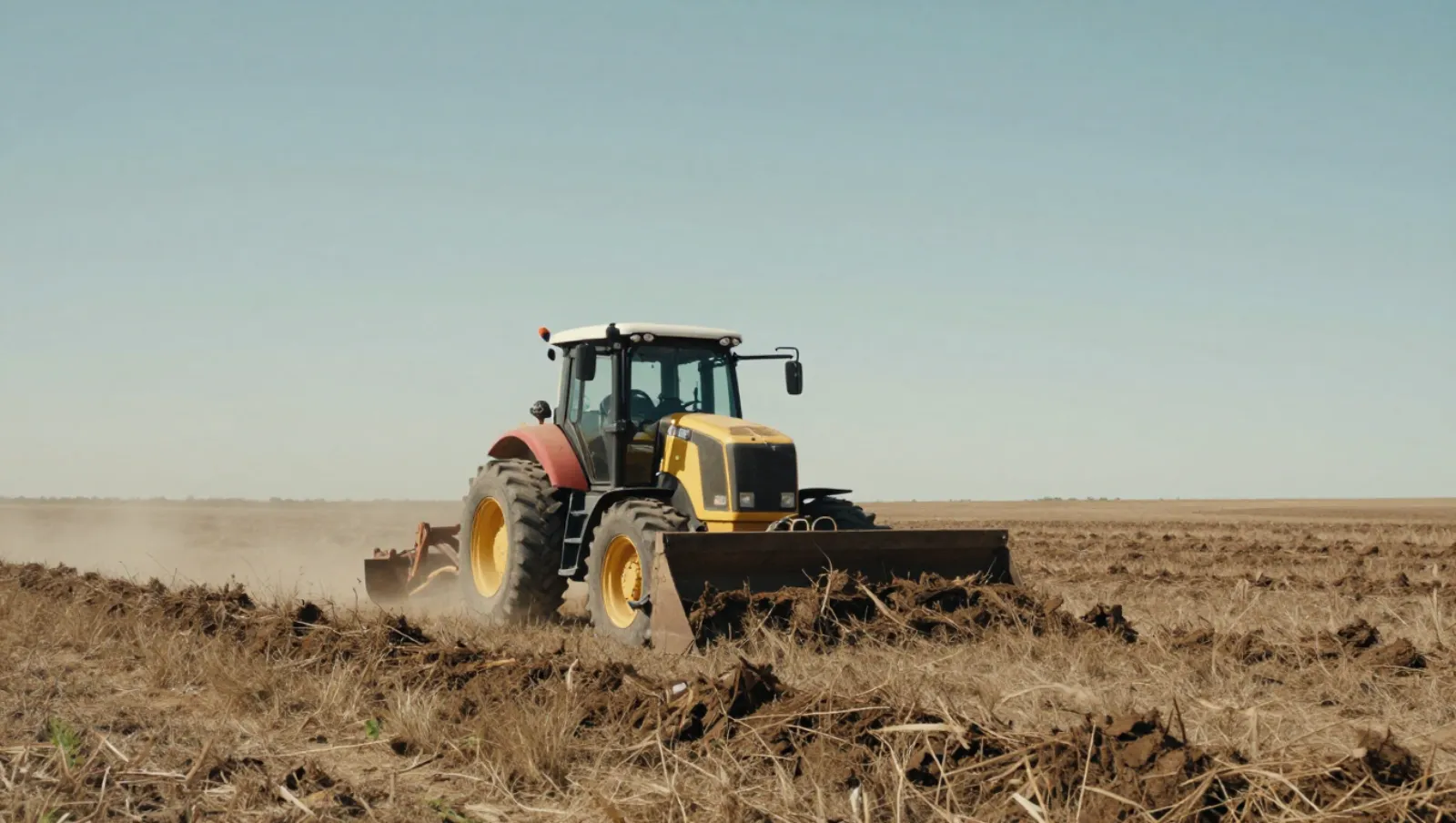
How Much Does It Cost to Clear Land? Pricing Guide
How Much Is Land Clearing Per Acre? The Cost and Best Methods
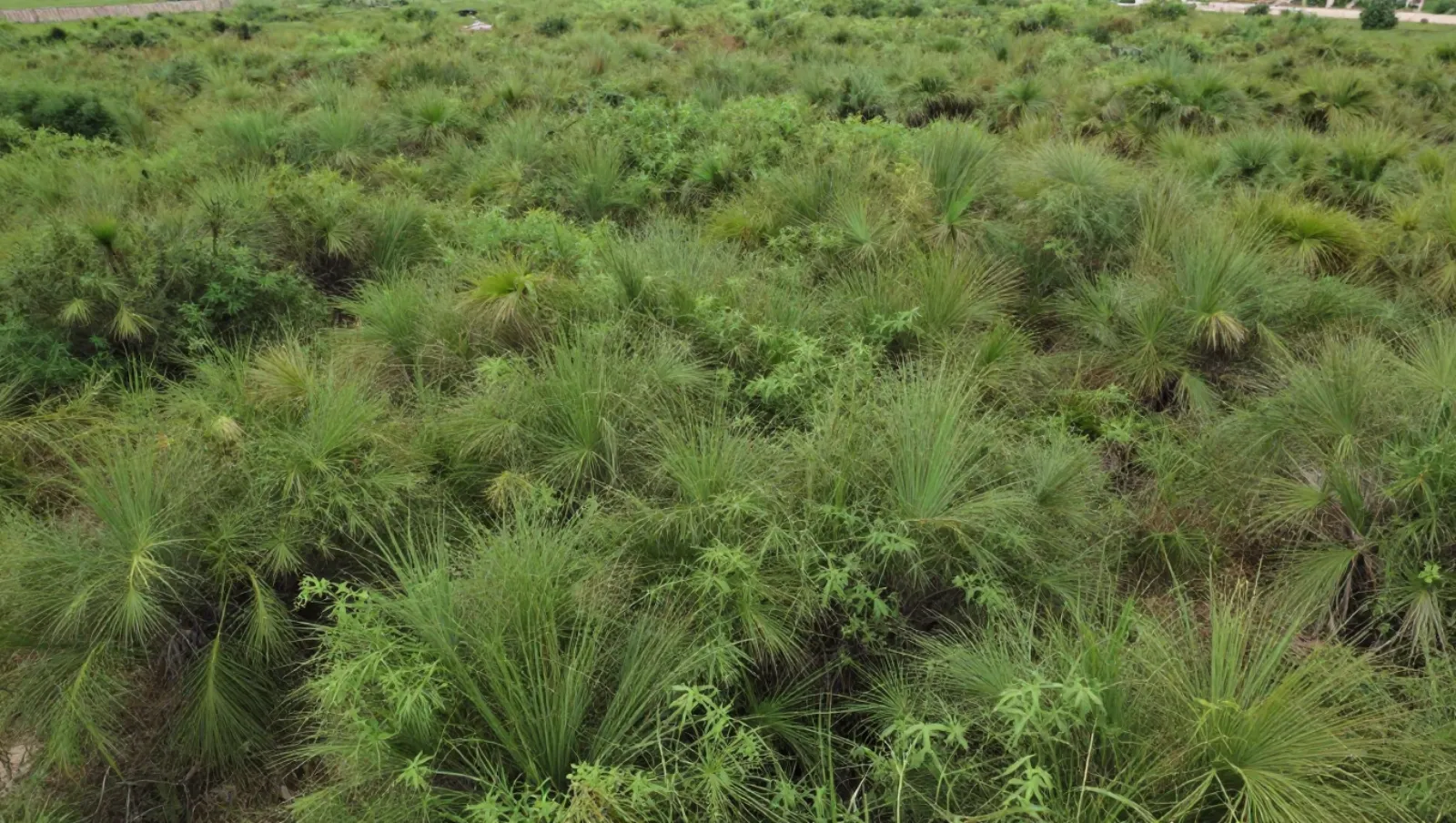
How to Clear Brush in Woods for Building or Landscaping Projects
How Tree Clearing Prevent Property Damage and Increase Value
Land Clearing Contractor in Magnolia TX: Avoid Costly Delays
Land Clearing Contractors for Residential Properties
Land Clearing Cost by Lot Size, Vegetation and Access
Land Clearing Cost Per Acre in Texas Explained | Daniel Dean
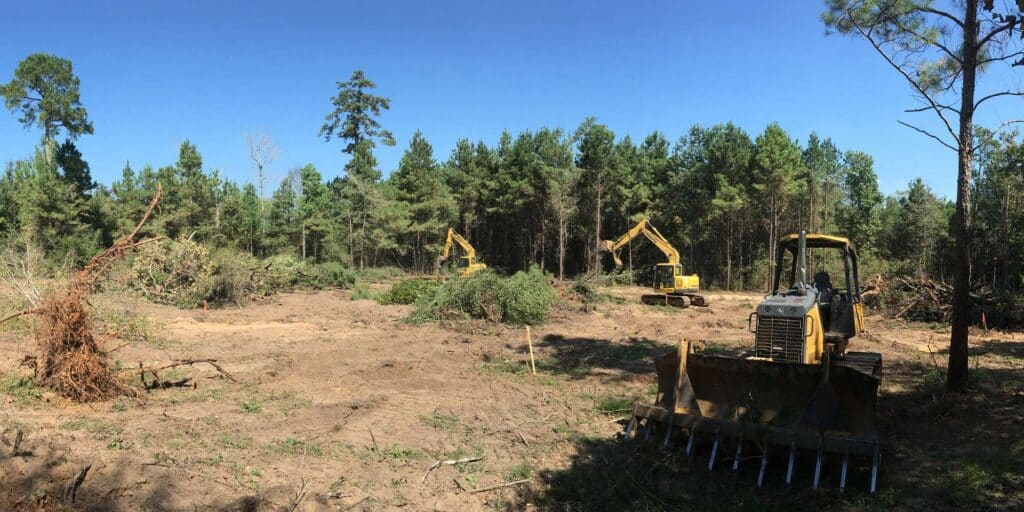
Land Clearing Prices: What Texas Property Owners Pay Per Acre
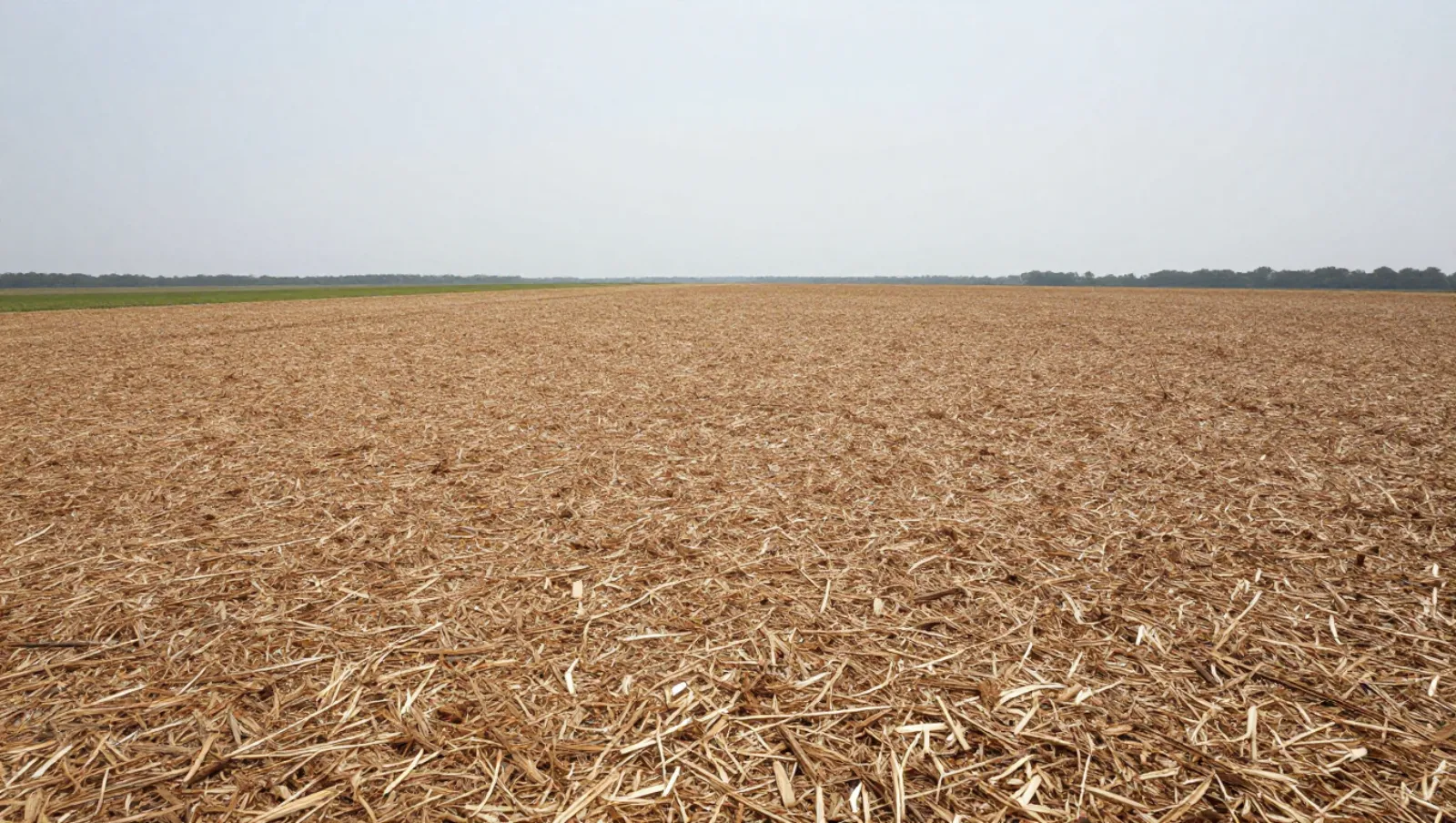
Scrub Clearing Services for Rural Properties in Magnolia, TX
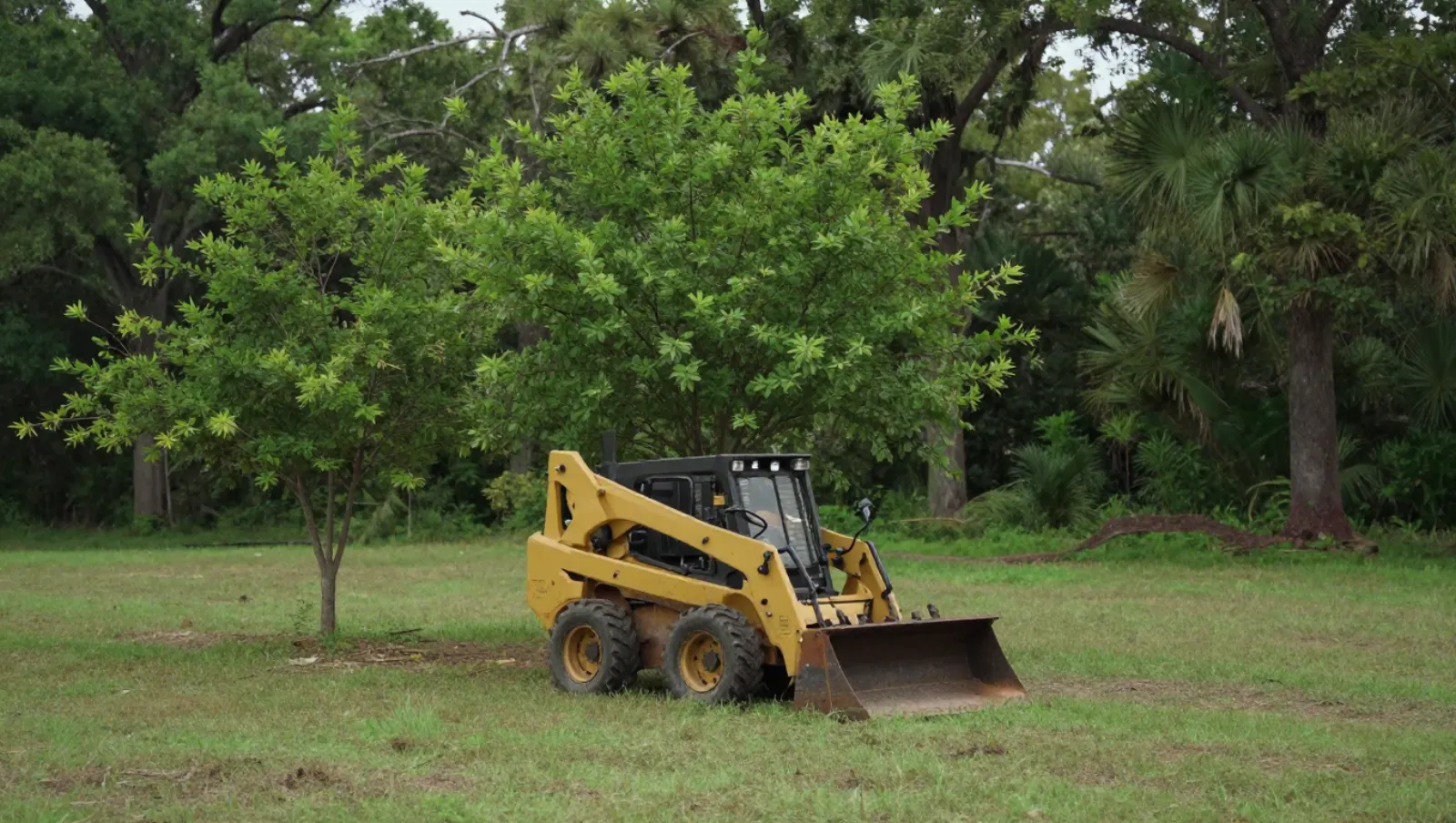
Texas Commercial Builders: Risks of Skipping Proper Site Clearing
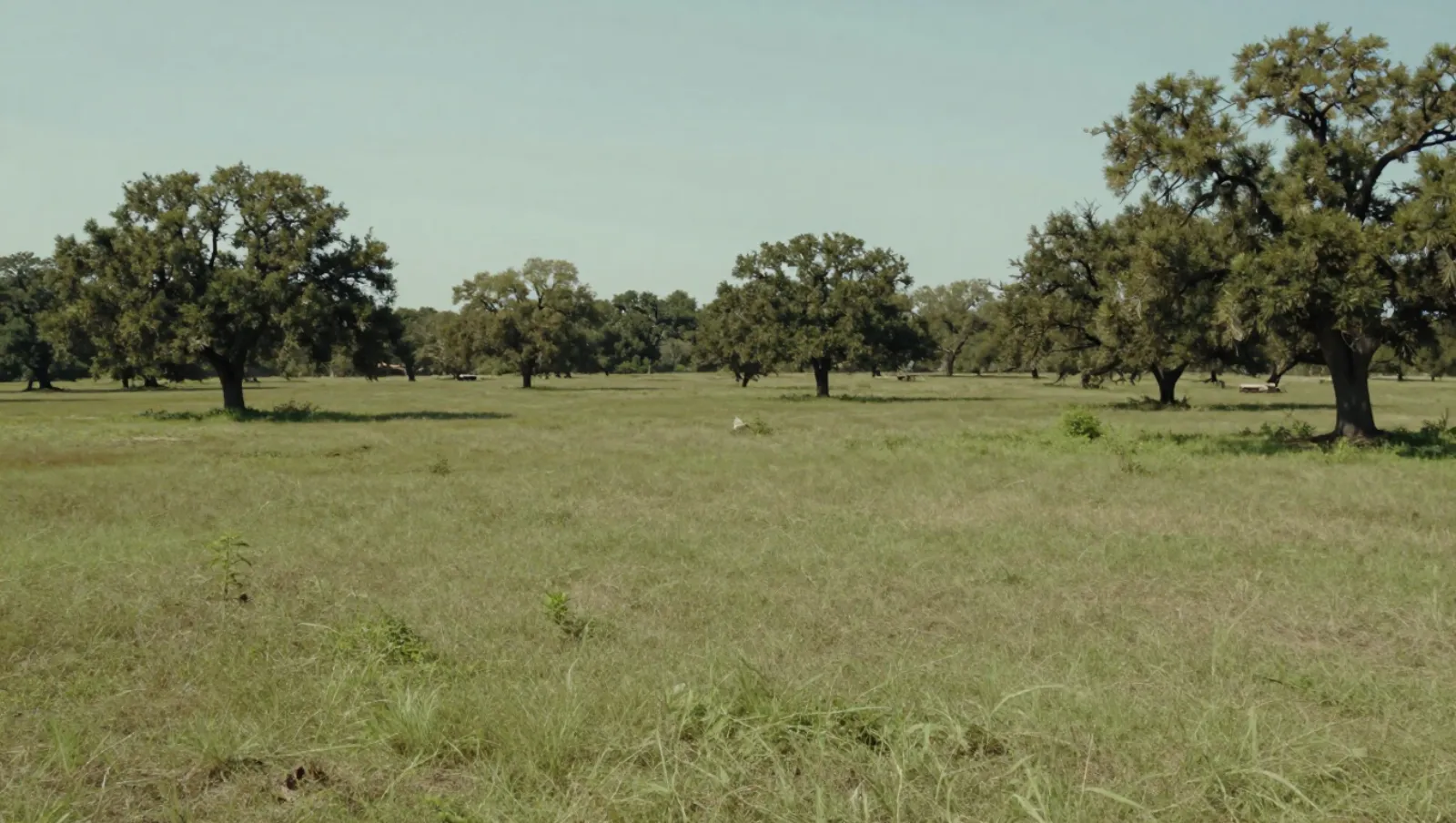
Texas Land Clearing Contractor: What Services Are Included?
Texas Land Clearing Near Me: Key Facts for Property Owners
Top Lot Clearing Services Near Me: Your Guide to a Fresh Start
Tree and Brush Removal for Properties With Heavy Tree Coverage
Tree cutting service near me: Houston Commercial Site Prep
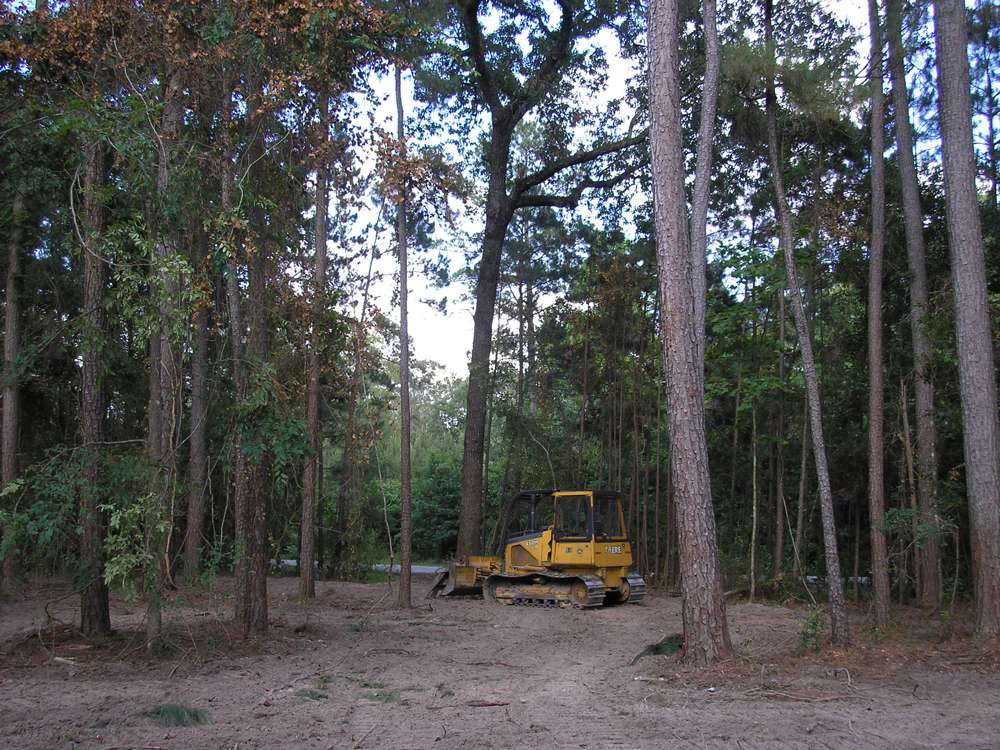
Tree Removal Estimate in Texas and What Affects the Final Cost
Tree Stump Removal Near Me: Clearing Land for New Foundation
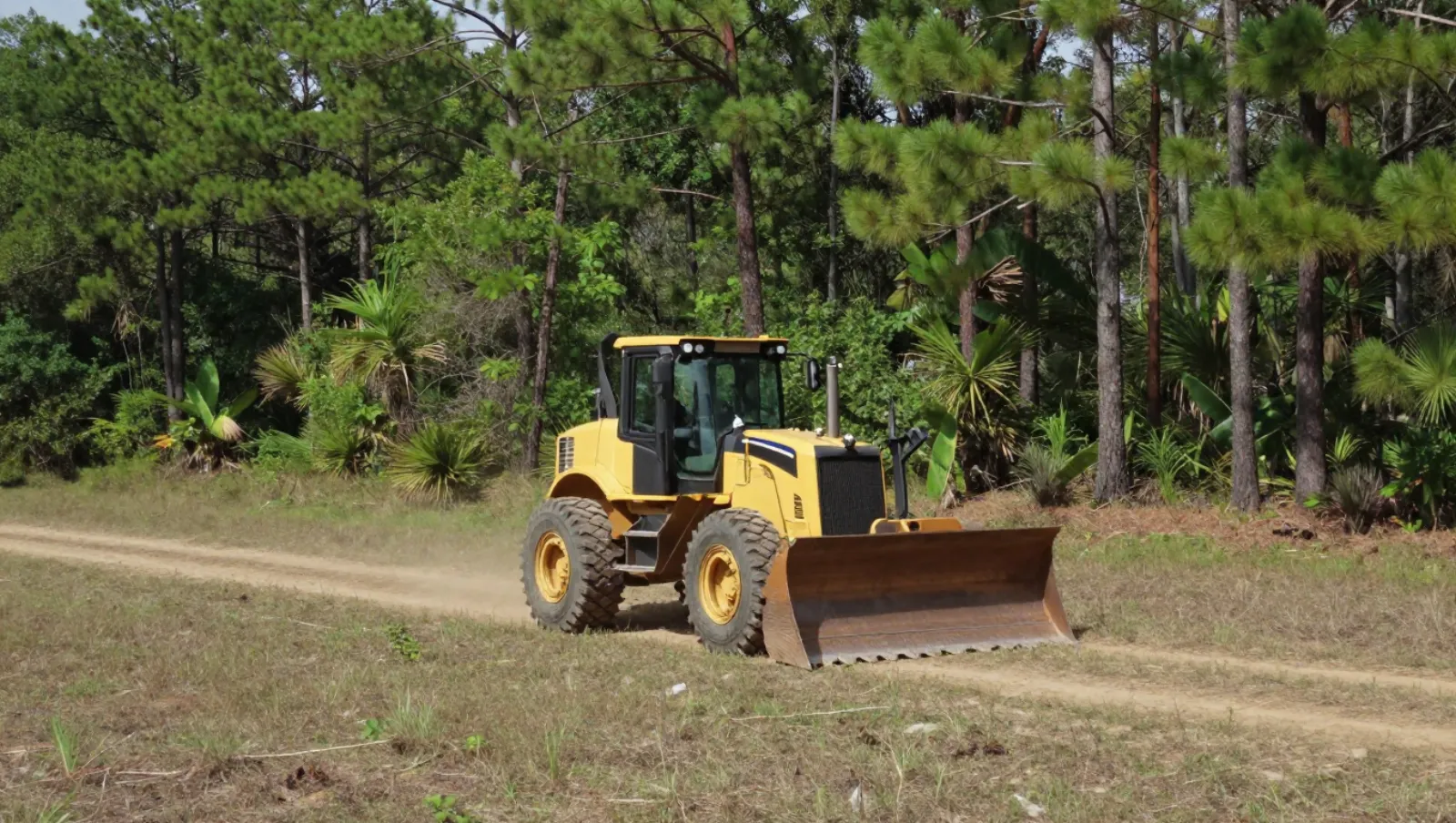
What Is Land Clearing? How It Prepares Land for Development
Why Lot Clearing Services in Houston Texas Are Essential
Ready to Transform Your Property?
Get an estimate for your land clearing, dirt work, or property development project. We serve Houston and surrounding areas.